

Is it safe to use glycolic acid everyday?
What Is Glycollic Acid?
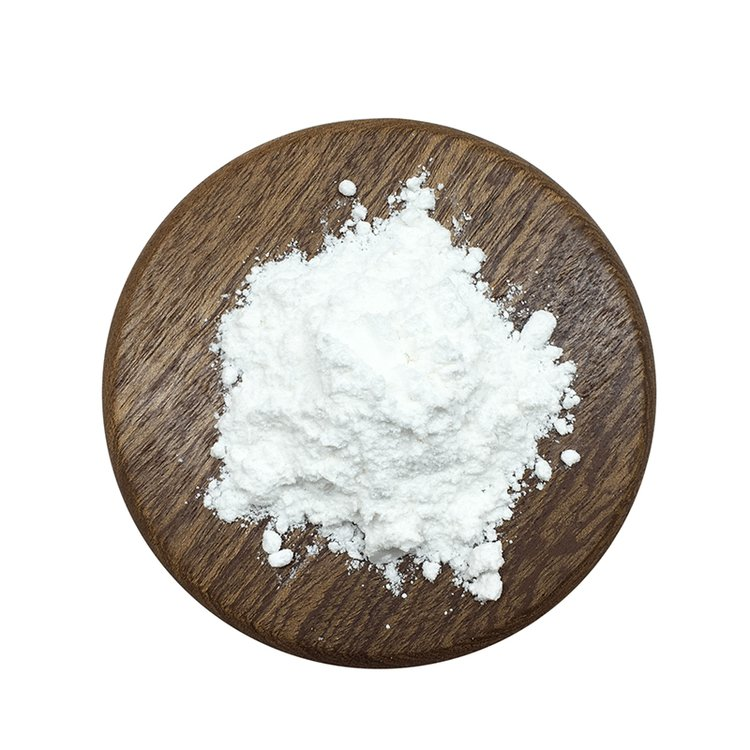
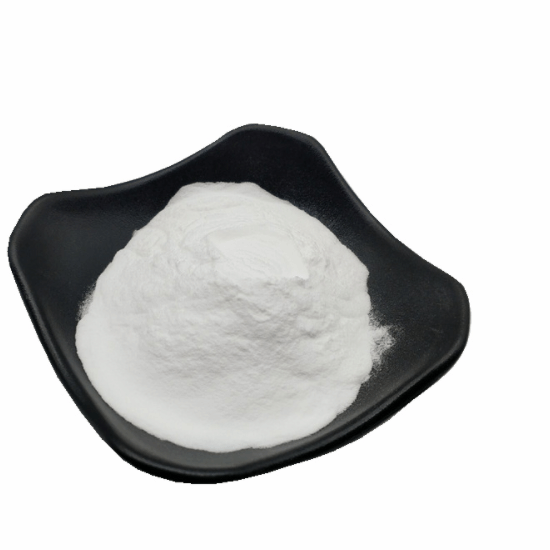
Glycolic acid is an important organic compound. It is a colorless, easily detached crystal with a certain degree of hygroscopicity. It has a low melting point between 78-79°C and is soluble in solvents such as water, methanol, ethanol, acetone, acetic acid, ethyl acetate and ether, but is almost insoluble in carbon-based solvents. Glycolic acid has the characteristics of low corrosiveness, non-flammability, odorlessness, low toxicity, strong biodegradability, and high water solubility. It is an organic synthetic product that is almost non-volatile. Because it contains carboxyl and hydroxyl groups, it has the dual properties of carboxylic acid and alcohol, good reactivity, strong penetration, and good water solubility. Therefore, glycolic acid is widely used in chemical cleaning, daily chemical industry and other fields, and can also be used to polymerize monomers to synthesize or modify degradable plastics.
What Are The Functions Of Glycollic Acid?
The functions of glycolic acid mainly include improving skin condition, promoting skin renewal, removing dead skin cells, removing excess oil, accelerating the skin renewal process, improving skin texture and appearance, etc.
Improving skin condition: Glycolic acid can remove dead skin cells and help improve a variety of skin problems such as acne, wrinkles, etc., making the skin look more rejuvenated.
Promoting skin renewal: As an effective skin care ingredient, glycolic acid can accelerate the skin renewal process and improve skin texture and appearance.
Removing dead skin cells and excess oil: Glycolic acid, as a skin exfoliant, helps remove external dead skin cells and also helps remove excess oil.
Synthesis of biodegradable materials: Glycolic acid is also used in the synthesis of new biodegradable materials, such as polylactic-glycolic acid (PLGA), which is widely used in the medical field.
Daily chemical cleaning: Due to its good solubility, glycolic acid is also widely used in daily chemical cleaning, and can effectively remove alkaline earth metal scales, such as calcium and magnesium salt scales, rust and scale.
What Is The Application Of Glycollic Acid?
Cosmetic Industry
The growing demand for glycolic acid in the cosmetic industry and personal care products, especially as a preferred ingredient in anti-aging, anti-pollution, and over-the-counter skin care products, will continue to drive the market. Its unmatched ability to quickly and effectively penetrate the skin due to its small molecule structure helps to combat many of the negative effects of pollution and other anti-aging issues by cleansing and removing dead skin layers.
The use of glycolic acid in anti-aging and anti-pollution skin creams, face washes, gels, and scrubs can reduce acne, pigmentation, fine lines, scars, and other age-related skin marks or spots. In addition to these factors, the increasing demand for glycolic acid-based over-the-counter skin care products (creams, toners, and masks) is expected to further drive the glycolic acid market.
Glycolic acid is the most commonly used keratolytic agent for the treatment of skin disorders due to its ability to soften keratin, a key structural component of the skin. The growing popularity of natural personal and cosmetic products is also one of the major driving factors for the glycolic acid market.
Industrial Manufacturing
In industrial manufacturing, glycolic acid is an important raw material that can be used to synthesize many useful compounds. For example, it can react with ammonia to produce glycine, an important amino acid used in the production of feed, fertilizers, and chemical raw materials. In addition, glycolic acid can also react with formaldehyde to produce glycolic acid, which is an important polymer raw material widely used in synthetic fibers, plastics and other fields.
Food additives
In the food industry, glycolic acid is used as a food additive, mainly as an acidulant and preservative. It can provide a refreshing sour taste to food and enhance the taste and flavor of food. At the same time, glycolic acid also has a certain preservative effect, which can extend the shelf life of food and prevent food from spoiling. It should be noted that when using glycolic acid as a food additive, relevant food safety standards and regulations must be observed to ensure the safety and health of food.
Pharmaceutical manufacturing
In the field of pharmaceutical manufacturing, glycolic acid is widely used to synthesize a variety of drugs. Among them, the most typical application is the preparation of antibacterial agents. Glycolic acid can be combined with a variety of drugs to form drug precursors with antibacterial effects, such as antimicrobial peptides, antibacterial films, etc. In addition, glycolic acid can also be used to synthesize antiviral drugs and antitumor drugs. The research and development and application of these drugs provide effective means for human health and disease treatment.
Agricultural production
In agricultural production, glycolic acid also plays an important role. It can be used as a plant growth regulator to promote plant growth and development. Studies have shown that glycolic acid can promote processes such as seed germination, root growth and leaf expansion, and improve crop yield and quality. In addition, glycolic acid can also be used as an intermediate for pesticides to synthesize pesticides with insecticidal, bactericidal and weed-killing effects, providing effective protection for agricultural production.