

What does dipotassium glycyrrhizinate do for skin?
What Is Dipotassium Glycyrrhizinate?
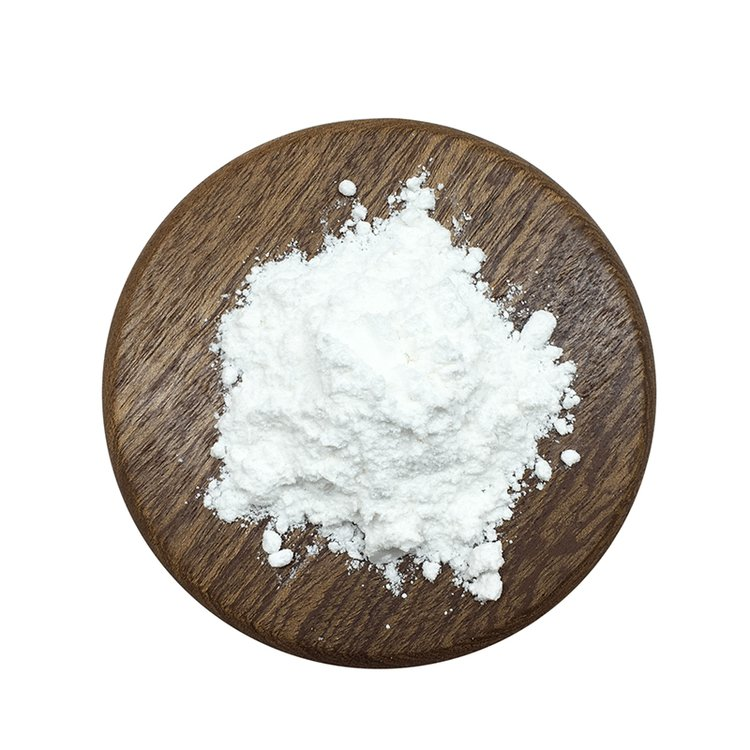
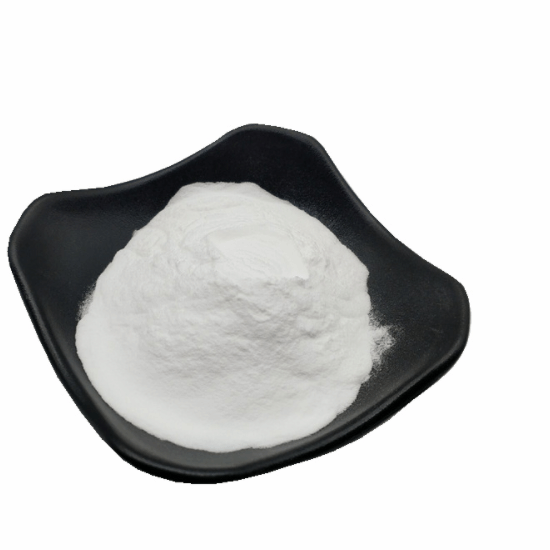
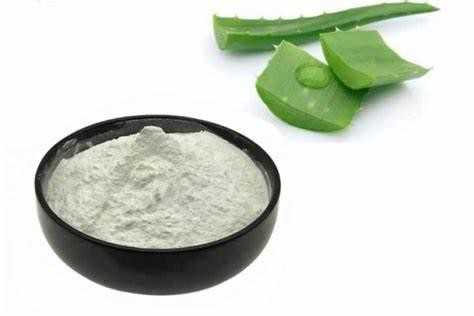
Dipotassium Glycyrrhizinate comes from a common medicinal material - licorice. Dipotassium glycyrrhizinate is a potassium glycyrrhizic acid salt extracted from the root of licorice. The raw material is white powder. It is a skin conditioner and a moisturizer that can soothe sensitivity, repair damage, resist inflammation and whiten the skin. Clinical trials have shown that dipotassium glycyrrhizinate can also effectively deal with dermatitis. At the same time, dipotassium glycyrrhizinate is also a natural sweetener with anti-inflammatory, antiviral, liver protection, detoxification and immune enhancement effects. According to the food additive standards, dipotassium glycyrrhizinate can be used in flour products as a sweetener.
What Are The Functions Of Dipotassium Glycyrrhizinate?
Dipotassium glycyrrhizinate can promote the skin's absorption of nutrients, especially minerals and trace elements, while promoting skin metabolism and removing metabolic waste such as oxygen free radicals. In addition, dipotassium glycyrrhizinate does not cause skin dependence and is non-sensitizing, showing skin-friendly properties. It has anti-inflammatory, anti-allergic, anti-ulcer, and promotes epithelial cell tissue regeneration.
Anti-inflammatory and soothing
Dipotassium glycyrrhizinate has anti-inflammatory effects and can effectively inhibit the release of inflammatory factors, so that inflammation can be reduced to subside, such as IL-1, TNF-, IL-8 and IL-6.
By affecting ion channels, regulating substance metabolism, reducing inflammatory exudation, and inhibiting the generation and release of histamine and other toxic substances, dipotassium glycyrrhizinate shows excellent anti-inflammatory effects, relieves skin discomfort, and has a good soothing effect on people with sensitive skin.
Anti-allergic
Allergy is a common manifestation of skin diseases. Dipotassium glycyrrhizinate has anti-allergic properties and can be used as a skin regulator. It can reduce the release of inflammatory mediators such as histamine, thereby relieving skin allergy symptoms. In addition, dipotassium glycyrrhizinate can also inhibit the expression of capsaicin receptor (TRPV1), achieve the effect of calming nerves, and further reduce allergic symptoms. It has a significant effect on relieving skin redness and itching symptoms, helps repair skin barrier function, and improves skin resistance.
Anti-ulcer
Dipotassium glycyrrhizinate has anti-ulcer effects and can promote the healing and repair of skin damage. Adding dipotassium glycyrrhizinate to skin care products can help relieve skin damage, ulcers and other problems, making the skin healthier. The healing mechanism of dipotassium glycyrrhizinate is mainly to reduce the number of granulocytes to reduce the inflammatory response of the wound, promote the formation of granulation tissue, the rapid proliferation of fibroblasts, increase the crawling speed of the epithelium, and increase the number of new capillaries, thereby accelerating the healing process of tissue wounds.
Whitening
Dipotassium glycyrrhizinate has a certain whitening effect. It can fundamentally promote the skin to establish a sound self-protection mechanism, effectively inhibit the production of melanin, and reduce the formation of spots. Therefore, it can not only prevent and reduce skin problems such as sun exposure, spots, and acne, but also whiten the skin and build a natural UV protection barrier for the skin.
Antioxidant effect
Oxidative stress is one of the main causes of skin aging. Dipotassium glycyrrhizinate has a certain antioxidant effect, which can effectively resist the damage of free radicals and protect skin cells from oxidative stress. This helps prevent skin aging, improve dull skin tone, and keep the skin young.
Hydrating and moisturizing
Dipotassium glycyrrhizinate has excellent water solubility, which can promote the skin to absorb moisture and increase the skin's water content. Therefore, adding an appropriate amount of dipotassium glycyrrhizinate to skin care products can have an excellent moisturizing effect for people with dehydrated skin.
What Is The Application Of Dipotassium Glycyrrhizinate?
Dipotassium glycyrrhizinate has the advantages of fast absorption, very safe, good stability, and easy adaptability. It is often combined with other ingredients. This golden supporting ingredient is a "must-order dish" for skin care ingredients. In skin care products, dipotassium glycyrrhizinate is often used with other surfactants to accelerate the skin's digestion and absorption of them and improve quality and efficiency. It can be used for sun protection, skin whitening, itching, adjustment of sebaceous glands, hair growth and hair care, etc. It can prevent skin inflammation, dry skin, wind and sun exposure, rashes, and throat moisturizing. Spot remover, anti-allergic agent. Used for anti-allergy, sun protection, skin care water, spot removal cream, moisturizing lotion, etc.
In the pharmaceutical industry, it can be used for eye drops, stomatitis, and ointments for skin diseases .It also protects the liver and can reduce liver damage. It can also regulate the body's immune function, improve the phagocytic ability of macrophages, and enhance the body's defense capabilities.
In the daily chemical industry, it can be used for toothpaste, mouthwash, shaving cream, etc. The addition of dipotassium glycyrrhizinate can play its antibacterial and deodorizing effects and improve the product experience.
In the food industry, it can be used in the production of sports drink potassium supplements, sweeteners, preservatives, and flavoring agents.It also has antibacterial and anti-inflammatory effects, which can reduce toxic substances in food and ensure food safety and hygiene.