




What is glycoprotein and its function?
What Is Glycoprotein?
Glycoprotein is a complex sugar composed of branched oligosaccharide chains covalently linked to polypeptide chains. The main chain is shorter and, in most cases, the sugar content is less than that of protein. At the same time, glycoprotein is also a kind of conjugated protein. Glycoprotein is a molecule composed of short oligosaccharide chains covalently linked to proteins. The connection between the sugar chain and the peptide chain is regular, and the common connection methods are N-glycopeptide bond and O-glycopeptide bond. N-glycopeptide bond refers to the glycosidic bond formed by dehydration between the hydroxyl group on the sugar carbon atom and the amide group on the asparagine residue that constitutes the peptide chain; O-glycopeptide bond is formed by dehydration between the hydroxyl group on the sugar carbon atom and the hydroxyl group on the amino acid residue that constitutes the peptide chain. Amino acids with this property include serine, threonine, tyrosine, hydroxylysine and hydroxyproline.
Glycoproteins are commonly found in animals, plants and microorganisms, with a wide variety of types and a wide range of functions. They can be divided into three categories according to their existence:
1.Soluble glycoproteins - present in intracellular fluid, various body fluids and mucus secreted by cavity glands. All plasma proteins except albumin are glycoproteins. Soluble glycoproteins include enzymes (such as nucleases, proteases, glycosidases), peptide hormones (such as chorionic gonadotropin, Luteinizing hormone, thyrotropin, erythropoietin), antibodies, complement, and certain growth factors, interferons, inhibitors, lectins and toxins.
2.Membrane-bound glycoproteins - membrane-bound glycoproteins include enzymes, receptors, lectins and transporters. Such glycoproteins often participate in cell recognition and can serve as surface markers or surface antigens of specific cells or cells at specific stages.
3.Structural glycoproteins - insoluble macromolecular glycoproteins in the extracellular matrix, such as collagen and various non-collagen glycoproteins (fibronectin, laminin, etc.). Their functions are not only to serve as structural components of the extracellular matrix to provide support, connection and buffering, but more importantly, they participate in cell recognition, adhesion and migration, and regulate cell proliferation and differentiation.
What Are The Functions Of Glycoprotein?
1.Cell recognition: Glycoproteins are usually expressed on the cell membrane, mediate cell-cell interactions between cells, and participate in the recognition and adhesion of cells. The glycosylation structure of glycoproteins can be used as a molecular identification code to help other cells recognize and locate receptor cells.
2.Cell differentiation and maturation: Glycoproteins are involved in cell growth and differentiation, as well as the differentiation and maturation of specific cells. Glycoproteins play a role in all stages of the cell cycle, helping to maintain cell growth and stability.
3.Immune function: Glycoproteins are involved in the normal function of the immune system, including the activation and differentiation of T cells and B cells, as well as immune regulation and signal transduction.
4.Cell movement and adhesion: Glycoproteins play an important role in the extracellular matrix and can affect the movement and adhesion of cells. The glycosylation structure of glycoproteins can interact with other molecules to form a complex extracellular matrix network.
5.Metabolic regulation: Glycoproteins can participate in a variety of metabolic processes, including the transport and metabolic regulation of intracellular substances. The glycosylation structure of glycoproteins can serve as a guide molecule to help the transport and transformation of substances throughout the process in the cell.
What Is The Application Of Glycoprotein?
The application areas of glycoproteins in cosmetics mainly include moisturizing, conditioning, protecting and improving skin conditions.
Glycoproteins, as an important cosmetic ingredient, have multiple functions and benefits. First of all, glycoprotein Tremella polysaccharide is a water-soluble high molecular polymer extracted from Tremella, which has good lubricity, can inhibit the peroxidation of cell lipids, prevent skin aging, promote elastic cell growth, reduce UV damage to the skin, activate epidermal cells, repair photodamaged skin, accelerate skin regeneration, and remove wrinkles. It can form a uniform film on the surface of the skin, provide a good sense of smoothness and moisturizing, and protect the skin.
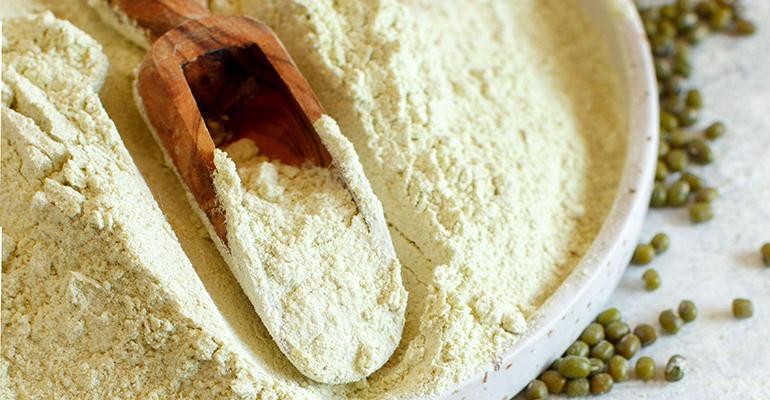
In addition, products with high concentrations of glycoproteins and polysaccharides are mainly used in skin care products as skin moisturizers, conditioners and protectants. These products are usually made from hydrolyzed soy flour and contain a large amount of high-concentration glycoproteins and polysaccharides, which help improve skin moisture content and skin wrinkles.