


What is resveratrol?
What is Resveratrol?
Resveratrol is a non-flavonoid polyphenol organic compound. The chemical name of resveratrol (RSV) is (E) -3,5,4-trihydroxystilbene, also known as stilbene triphenol. It is insoluble in water and soluble in organic solvents (ethanol, acetone and dimethyl sulfoxide). It exists in plants in two forms: free and glycoside-bound.
The content of resveratrol glycoside is generally higher than that of its aglycone resveratrol. This is because resveratrol is very unstable and often exists in the form of glycosides in combination with glucose. In the human body, glycosides can be quickly hydrolyzed into aglycones. Different forms of resveratrol have different stabilities under different conditions. For example, trans-resveratrol can be stable in ethanol for several months, while cis-resveratrol is only stable in a neutral environment.
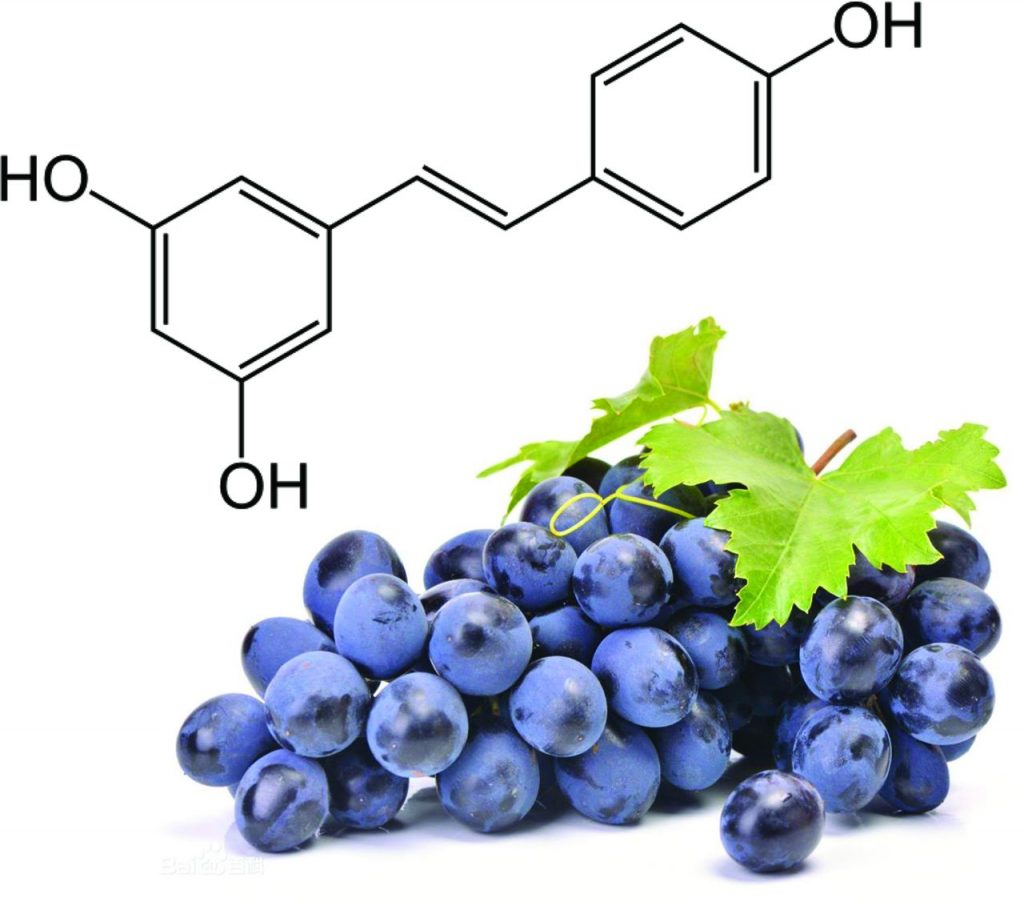
Resveratrol is a polyphenol compound, a natural polyphenol with strong biological properties, also known as stilbene triphenol, especially an antitoxin produced by plants after being stimulated, such as grapes, knotweed, peanuts, mulberries and other plants.
Resveratrol has a good inhibitory effect on free radicals and AGE, so it has good antioxidant properties and a good resistance to aging. It inhibits protein carbonylation, reduces the content of oxidized protein products aopp, and has a certain anti-sugar effect.
Resveratrol is considered to be a potential anti-aging substance because it can activate sirtuin, a protein that repairs chromosome health, thereby delaying aging. In addition, resveratrol can also prevent the occurrence and development of cancer, and has the preventive and therapeutic effects of anti-atherosclerosis and coronary heart disease, ischemic heart disease, and hyperlipidemia.
What is the main source of resveratrol?
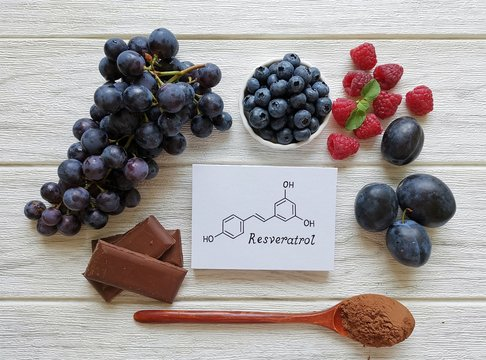
Resveratrol is mainly derived from plant crops such as peanuts, grapes, and mulberries. It is an antioxidant that often shows completely different or even opposite effects in experimental studies, so its anti-aging effect is controversial among the public3. Resveratrol is an antitoxin in plants and is produced when plants are attacked by pathogens and the environment deteriorates. At present, resveratrol is known to be found in more than 700 plants, including 72 plants in 12 families, 31 genera, among which grapes, knotweed, and peanuts are high in human food.
 Metabolism and distribution of resveratrol
Resveratrol has a relatively low bioavailability in the body. Studies have shown that the bioavailability of resveratrol metabolites in the small intestine and liver is about 1%. Resveratrol is rapidly metabolized in animals, reaching a peak in plasma within 5 minutes.
Animal metabolism studies have found that resveratrol is mainly metabolized in the form of resveratrol sulfate and glucuronidation products in mammals such as mice, pigs, and dogs. Studies have confirmed that resveratrol is distributed in different tissues of mammals in a bound form, and resveratrol is more absorbed and distributed in organs with rich blood perfusion, such as the liver, kidneys, heart, and brain.
What are the effects of resveratrol?
1.Antioxidant and anti-free radical
Resveratrol is a natural antioxidant found in plants. It mainly exerts its antioxidant effect by inhibiting or scavenging free radicals, inhibiting lipid peroxidation, and regulating the activity of antioxidant-related enzymes.
2.Anti-inflammatory
Resveratrol has anti-inflammatory properties and can reduce the symptoms of inflammatory reactions and inflammatory-related diseases. It may work by inhibiting the release of inflammatory mediators and regulating the function of the immune system.
3.Anti-aging
Resveratrol not only has a strong antioxidant effect, but also promotes the proliferation of fibroblasts and epidermal keratinocytes, increases skin elasticity, and achieves anti-aging effects.
4.Whitening and brightening
It can inhibit the activity of tyrosinase, reduce pigmentation caused by ultraviolet rays, and has a good effect on removing chloasma, acne, and pimples.
5.Protect the digestive system
Rich in fruit and vegetable dietary fiber and fruit enzymes, it promotes intestinal peristalsis, improves gastrointestinal absorption capacity, improves digestive tract absorption function, and promotes gastrointestinal health.
6.Improve immunity
Maintain normal metabolism of various functions of the human body and enhance resistance to various diseases.
7.Cardiovascular protection
Resveratrol can improve cardiovascular health and reduce the risk of cardiovascular disease. It helps to lower low-density lipoprotein cholesterol (LDL-C) in the blood, increase high-density lipoprotein cholesterol (HDL-C) levels, and prevent the formation of atherosclerosis. In addition, resveratrol may also protect the cardiovascular system by inhibiting platelet aggregation and vasoconstriction and promoting vasodilation.
What are the real beauty effects of resveratrol?
Enhance cell renewal and repair. Promote wound recovery.
Increase the number of mitochondria and maintain the vigorous vitality of tissues.
Restore fair and tender skin.
Improve muscle elasticity and make you energetic.
Promote blood circulation and provide sufficient power for various organs.
Promote human metabolism and improve menopausal problems.
Protect and enhance protection for body cells and tissues.
Accelerate renewal and promote organ recovery and healthy operation.
Improve body function and enhance human health protection system.
Effectively shape the body and form a contour memory network.
What can resveratrol be used for?
Resveratrol is a non-flavonoid polyphenol organic compound with multiple biological activities. Its application areas cover multiple industries from cosmetics, health products to medicine and food.
Cosmetics
In the field of cosmetics, resveratrol is widely used for its antioxidant, anti-aging and anti-inflammatory properties. It can activate acetylase, increase the life span of yeast, and activate the silent information factor (SIRT1), causing physiological changes that delay aging and prolong life. In addition, it can inhibit oil production, reduce wrinkles, prevent excessive oil secretion from the skin, and has whitening effects.
Health products
In the field of health products, resveratrol, as a natural health ingredient, is widely used to improve sleep, improve physical strength, reduce fatigue, slow down aging, etc. Due to its biological activities such as antioxidant and anti-inflammatory, resveratrol is also widely used in the field of beauty, and can be used for anti-wrinkle, whitening, freckle removal, increasing skin elasticity, improving skin color, etc.
Food
Resveratrol can also be used as a natural preservative and pigment, and is widely used in food and beverages. For example, it can be used in the manufacture of foods and beverages such as wine, juice, tea and candy to increase their nutritional value and shelf life.
Medicine
In the field of medicine, resveratrol has a variety of biological activities such as antioxidant, anti-inflammatory, and cardiovascular protection, so it has been widely studied. Although its application in the medical field is not yet fully mature, it has shown potential in the treatment of certain diseases.