
What is the use of ursolic acid?
What Is Ursolic Acid?
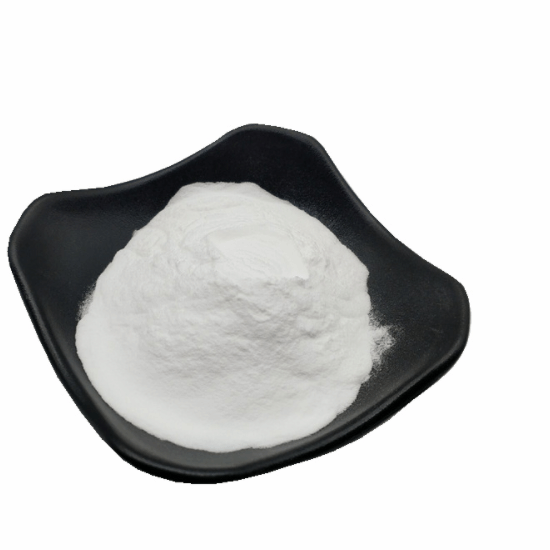
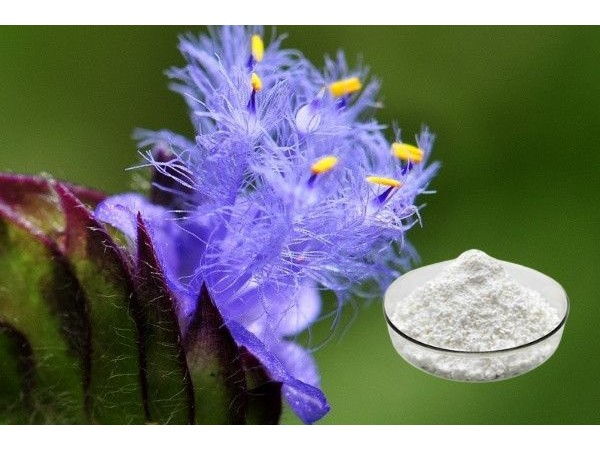
Ursolic Acid is a compound found naturally in loquat and rosemary leaves. These two plants have long been widely used in herbal medicine and cooking, and ursolic acid is a valuable asset in them. By extracting the leaves of these plants, we can obtain natural extracts rich in ursolic acid.
What Are The Functions Of Ursolic Acid?
1.Antioxidant: Ursolic acid stands out for its powerful antioxidant properties. Antioxidant action is a key process to resist free radical damage to the body. Ursolic acid can neutralize these free radicals and slow down the process of cell oxidation, which helps reduce the risk of disease and delay the aging process.
2.Anti-inflammatory: Ursolic acid can inhibit the generation and release of inflammatory mediators, reduce inflammatory responses, and has an auxiliary therapeutic effect on a variety of inflammatory diseases such as arthritis and skin inflammation.
3.Antibacterial and antiviral: Studies have shown that ursolic acid has an inhibitory effect on a variety of pathogenic bacteria and viruses, and can be used to prevent and assist in the treatment of infectious diseases.
4.Liver protection: Ursolic acid can protect liver cells through antioxidant and anti-inflammatory effects, reduce liver damage, and promote liver cell regeneration, which helps prevent and treat chronic liver disease.
5.Hypolipidemic and hypoglycemic: Ursolic acid can regulate lipid metabolism, reduce cholesterol and triglyceride levels in the blood, and improve insulin sensitivity, which helps control blood sugar levels, and has a preventive and auxiliary therapeutic effect on cardiovascular disease and diabetes.
6.Skin care: Due to its antioxidant and anti-inflammatory properties, ursolic acid is often added to skin care products for whitening, moisturizing, anti-aging and repairing damaged skin.
What Is The Application Of Ursolic Acid?
Food industry
As a food additive, ursolic acid shows unique advantages. Its natural source and antioxidant effect make it a star ingredient in Health Foods. Ursolic acid can not only enhance the shelf life of food and extend its shelf life, but also play an antioxidant role in food to maintain the freshness and nutritional value of food. This makes ursolic acid popular in the health food manufacturing industry and a sought-after natural preservative and antioxidant.
Daily chemical industry
Ursolic acid has a wide range of applications in beauty and skin care products because it plays a role in preventing and treating dermatitis, rough skin, dryness, whitening, prevention and moisturizing in skin beauty and health care.
The role of ursolic acid in cosmetics:
1.Ursolic acid has anti-inflammatory, antimicrobial, antibacterial and antifungal properties. It can not only prevent the growth of bacteria and fungi in skin and skin care products, but also help wound healing.
2.Ursolic acid can effectively whiten and remove freckles on the skin, gradually fade, and has good compatibility with various components of cosmetics, which is conducive to achieving whitening, freckle removal, moisturizing, softening, wrinkle removal and anti-inflammatory effects.
Ursolic acid has the main effects of anti-inflammatory, whitening and freckle removal on the skin. It can promote skin cell regeneration, anti-aging and whitening. Generally, ursolic acid can also be added to skin care products as an antioxidant and conditioner. Because it has very good stability, it is often added to the research and development of spices and flavors in order to keep the corresponding ingredients of various spices and flavors in a stable state. In addition, all skin care products that incorporate ursolic acid often have a good moisturizing effect.
What Is The Difference Between Arbutin And Ursolic Acid?
Arbutin and ursolic acid are two common ingredients in cosmetics and skin care products. Although their names are similar, there are certain differences in chemical structure, efficacy and use.
Arbutin:
Concentration: The common concentration of arbutin in skin care products is 1% to 7%. High concentrations may cause skin irritation, so you need to pay attention to the concentration control.
Photosensitivity: Although arbutin itself is not a photosensitive ingredient, in order to ensure the best effect, it is recommended to use it at night or with sunscreen products.
Ursolic acid:
Concentration: The common concentration of ursolic acid in skin care products is 0.5% to 2%. High concentrations may cause skin irritation, so you need to pay attention to the concentration.
Use in combination: Ursolic acid can be used in combination with other antioxidant ingredients to enhance the antioxidant effect, but it should be avoided when used with strong acid ingredients to avoid skin discomfort.
Arbutin and ursolic acid each have their own unique advantages and applications in skin care products. Arbutin is mainly known for its whitening and antioxidant effects, and is suitable for people who need to brighten their skin and reduce spots. Ursolic acid has attracted attention for its comprehensive antioxidant, anti-inflammatory and antibacterial effects, and is suitable for use in anti-aging, anti-inflammatory and acne-removing products.